
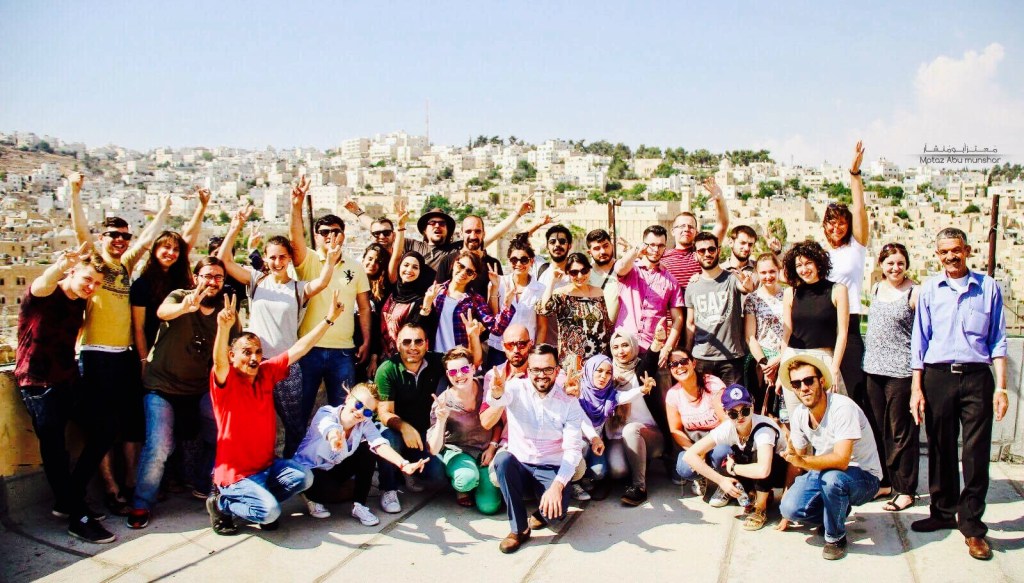
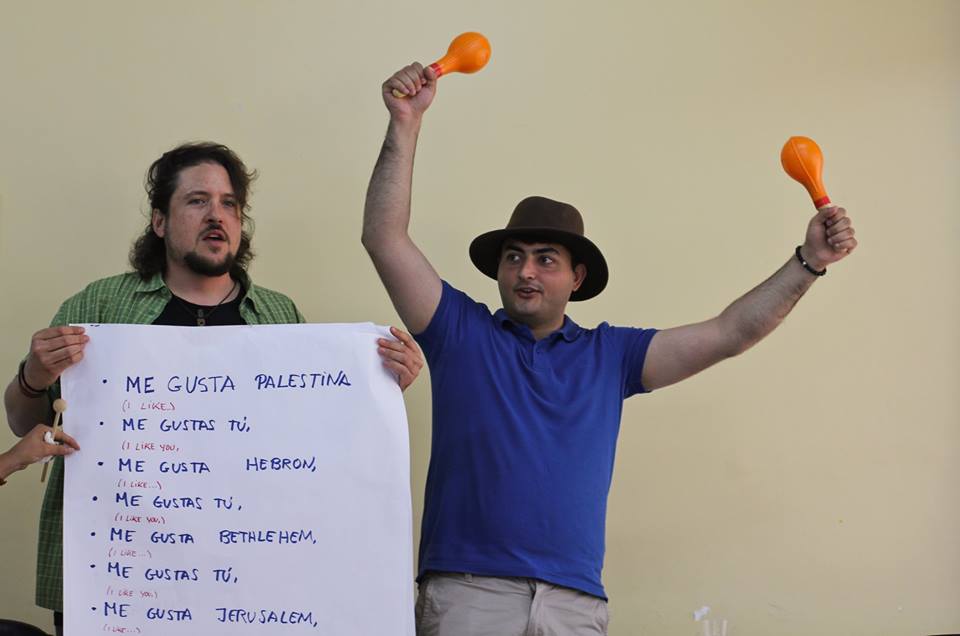
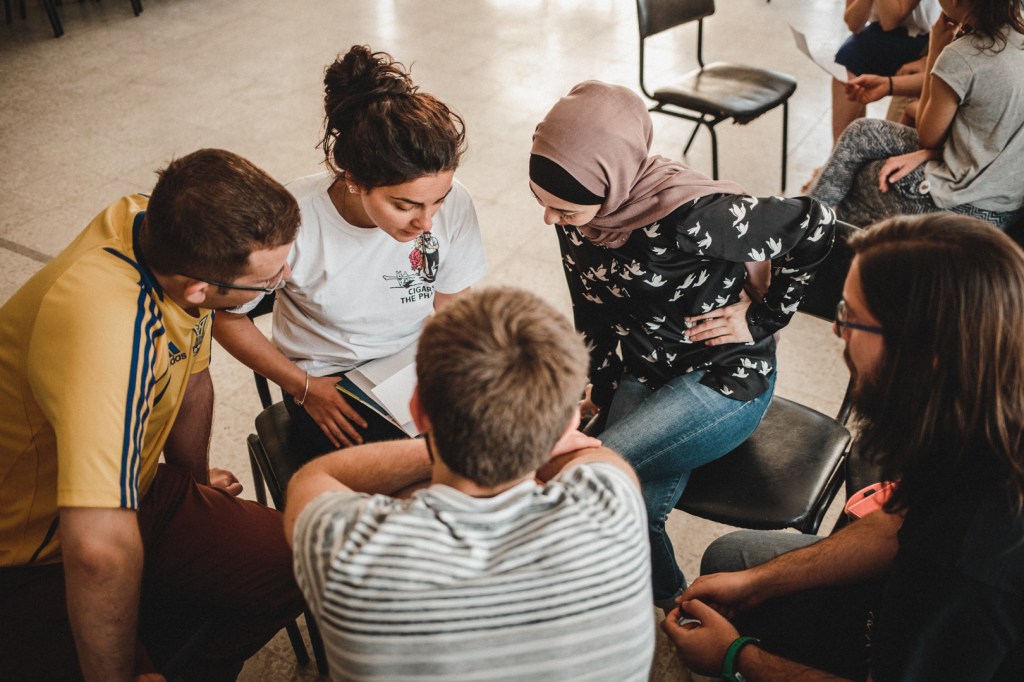
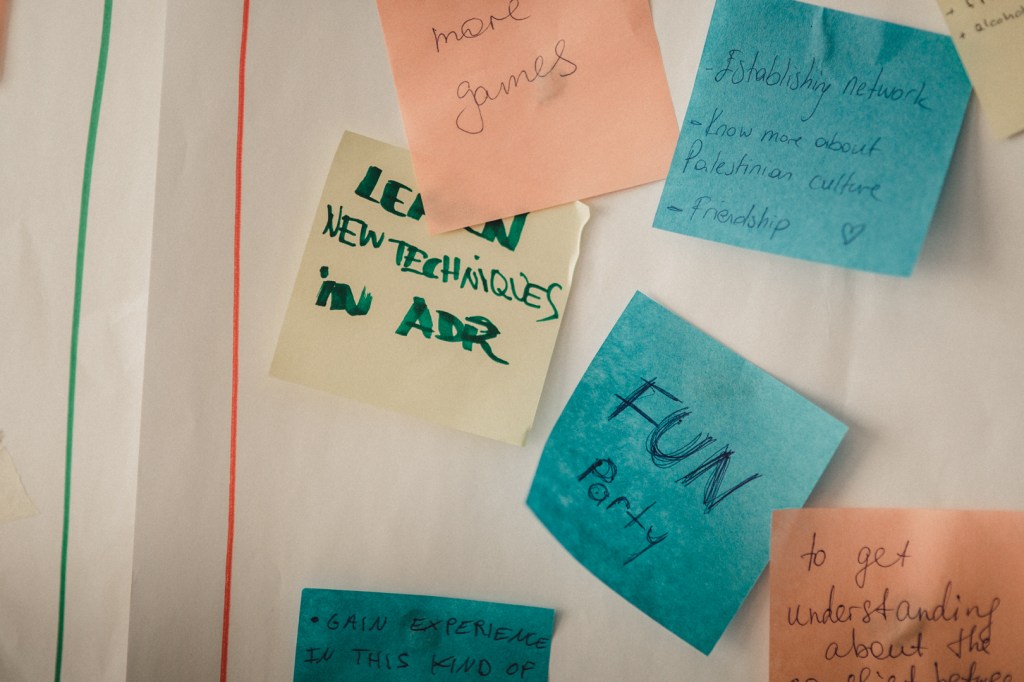
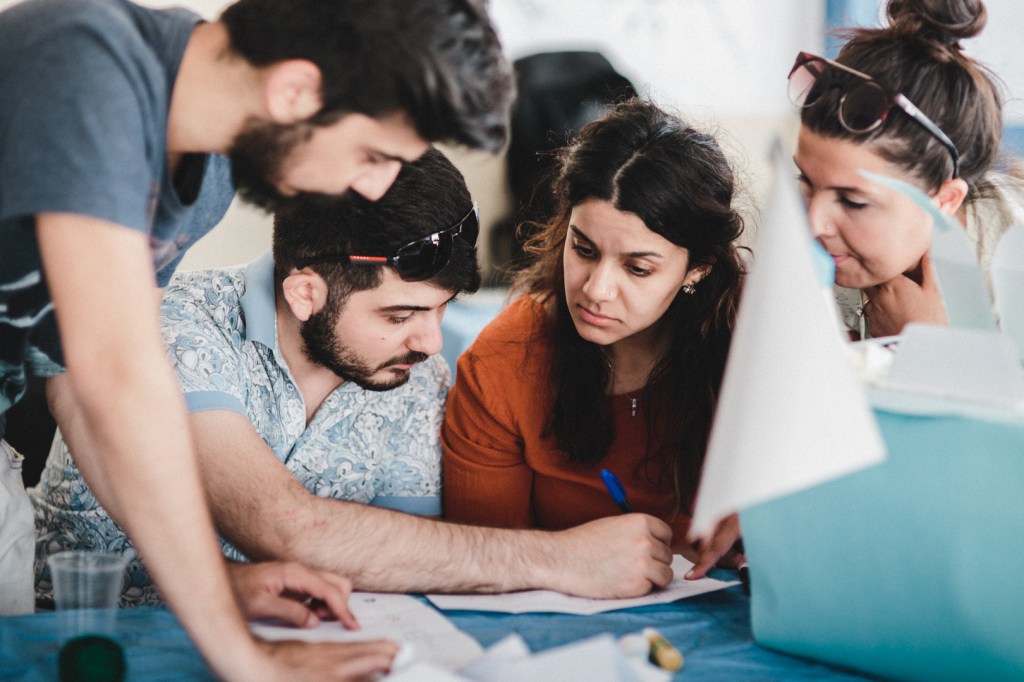
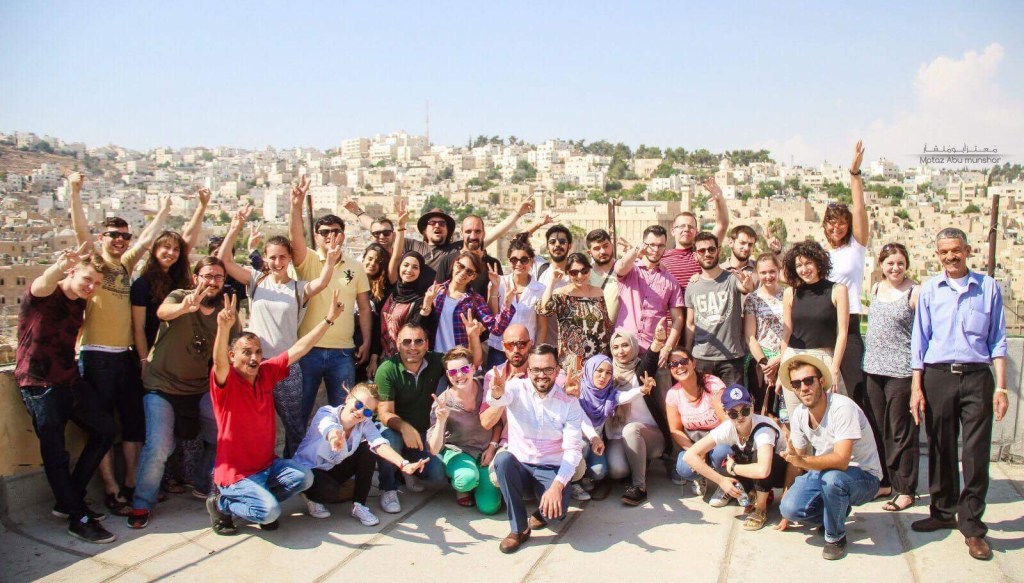
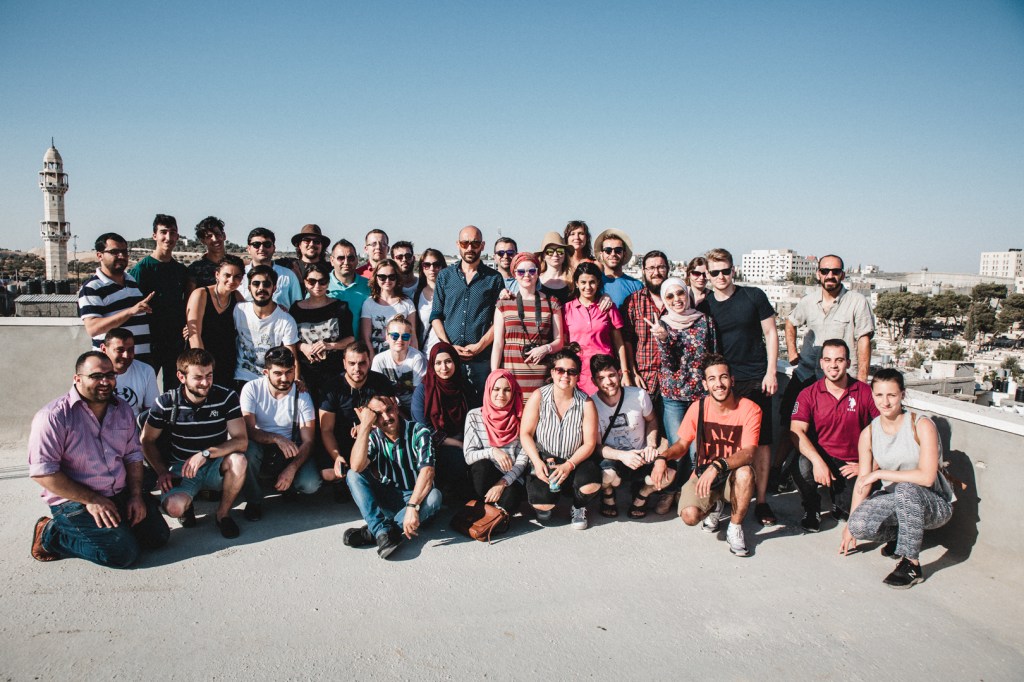
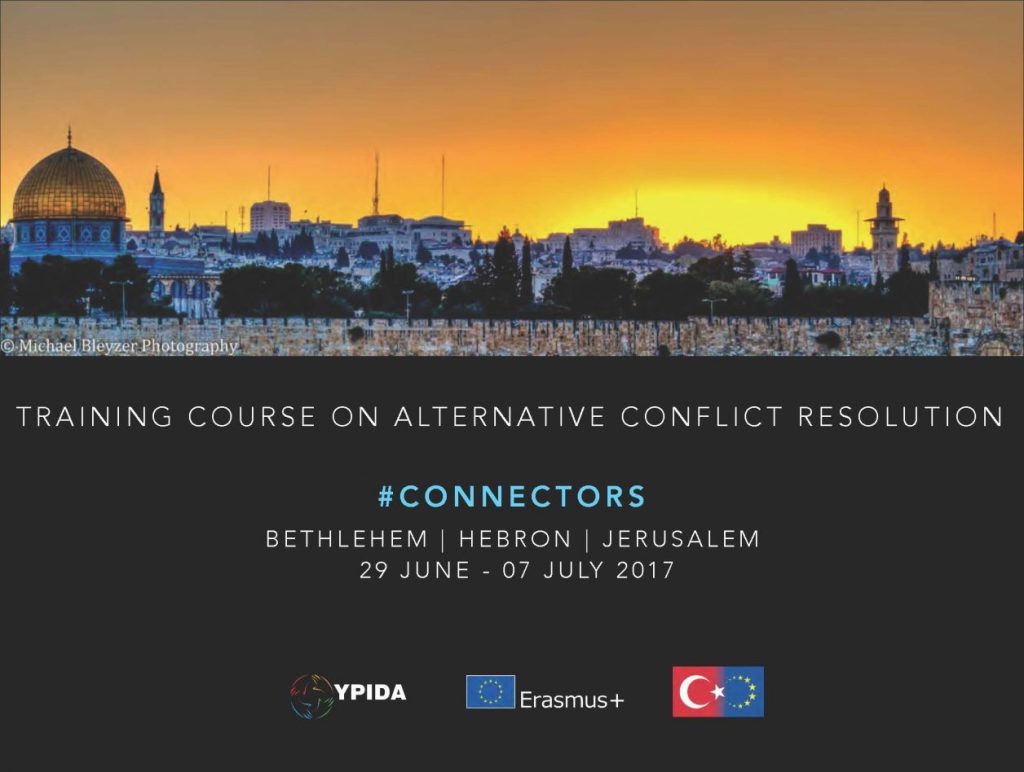
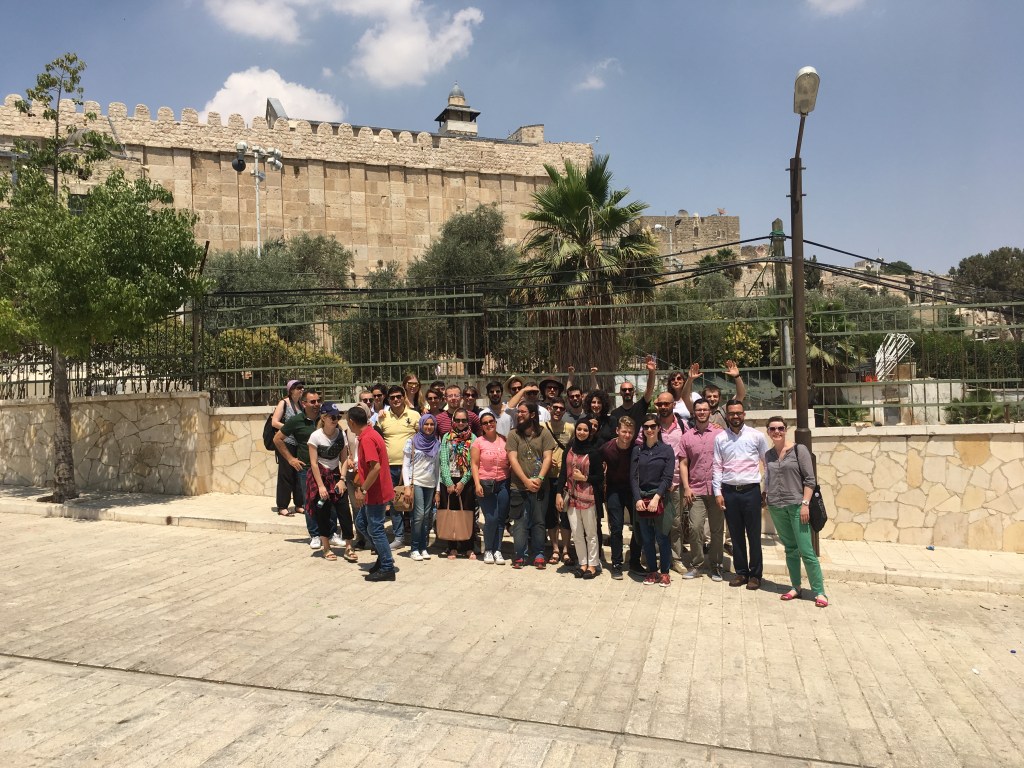
In 2018, YPIDA (the predecessor of APIDA e.V.) organized one of its most remarkable and impactful initiatives: the Training Course on Alternative Conflict Resolution in Palestine. This extraordinary project, funded by the Erasmus+ program, brought together 35 youth workers, trainers, and facilitators from 11 countries: Armenia, Azerbaijan, Russia, Ukraine, Italy, Spain, Germany, Poland, Kosovo, Palestine, and Turkey.
Spanning the historic and deeply symbolic cities of Hebron, Bethlehem, and Jerusalem, the project aimed to explore alternative approaches to conflict resolution in one of the most complex and conflict-ridden regions of the world. It was not only an achievement in logistical coordination but also a testament to the unwavering commitment to fostering peace and understanding across borders.
A Journey Through Conflict and Resilience
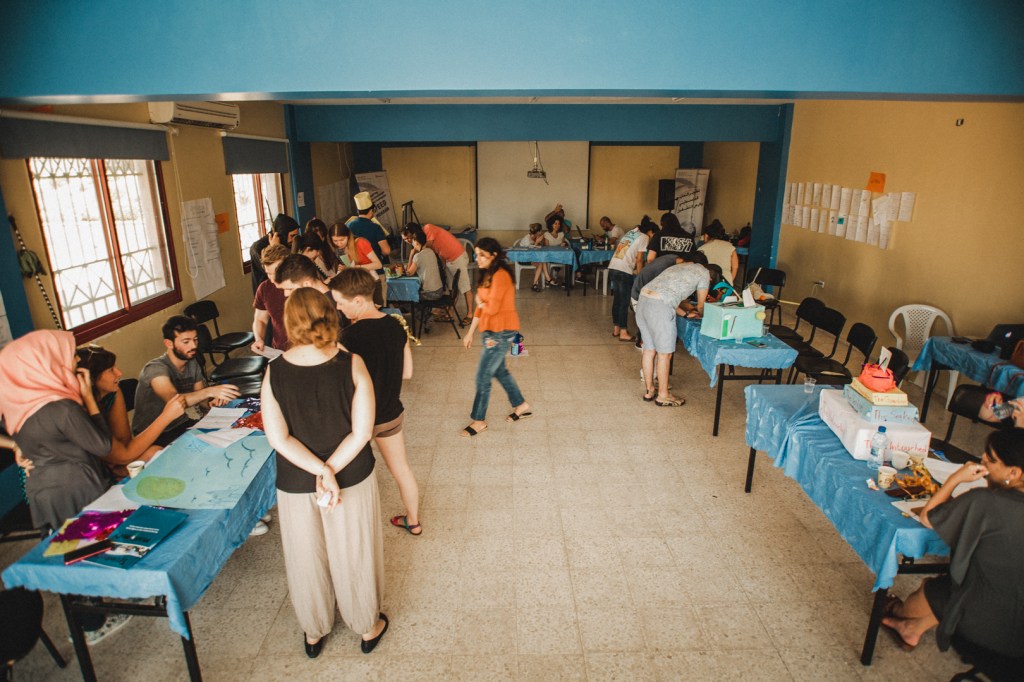
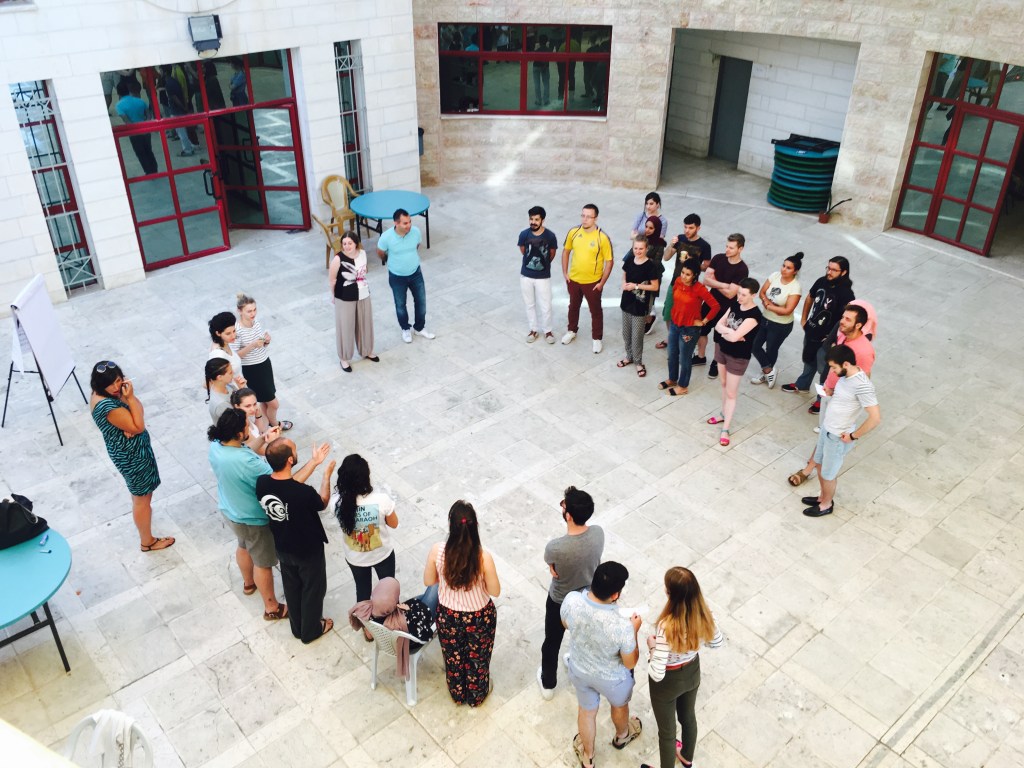
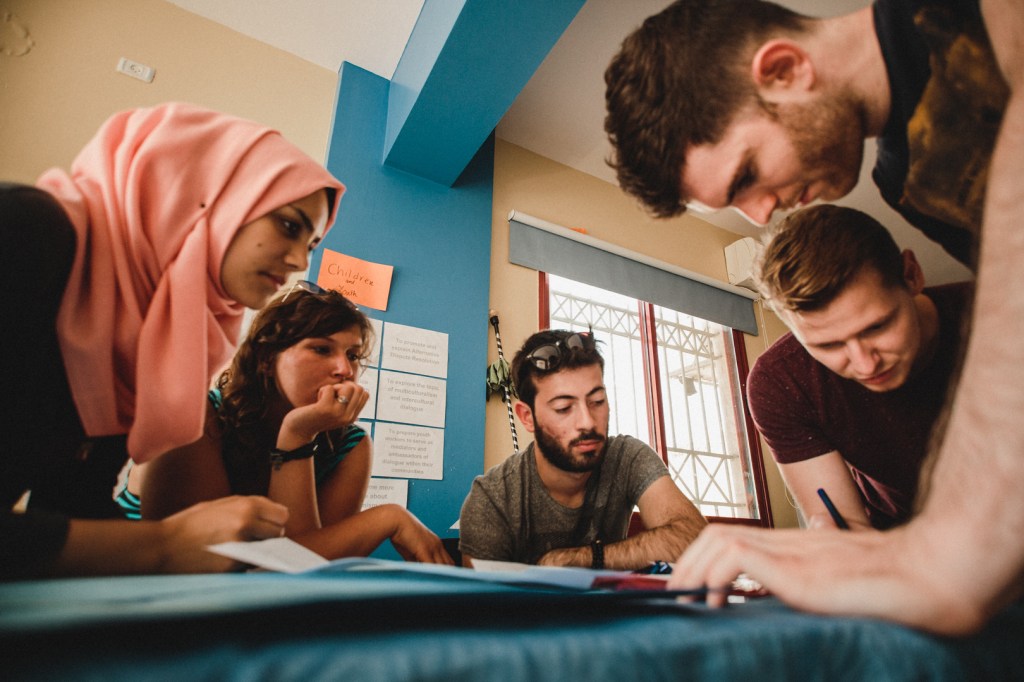
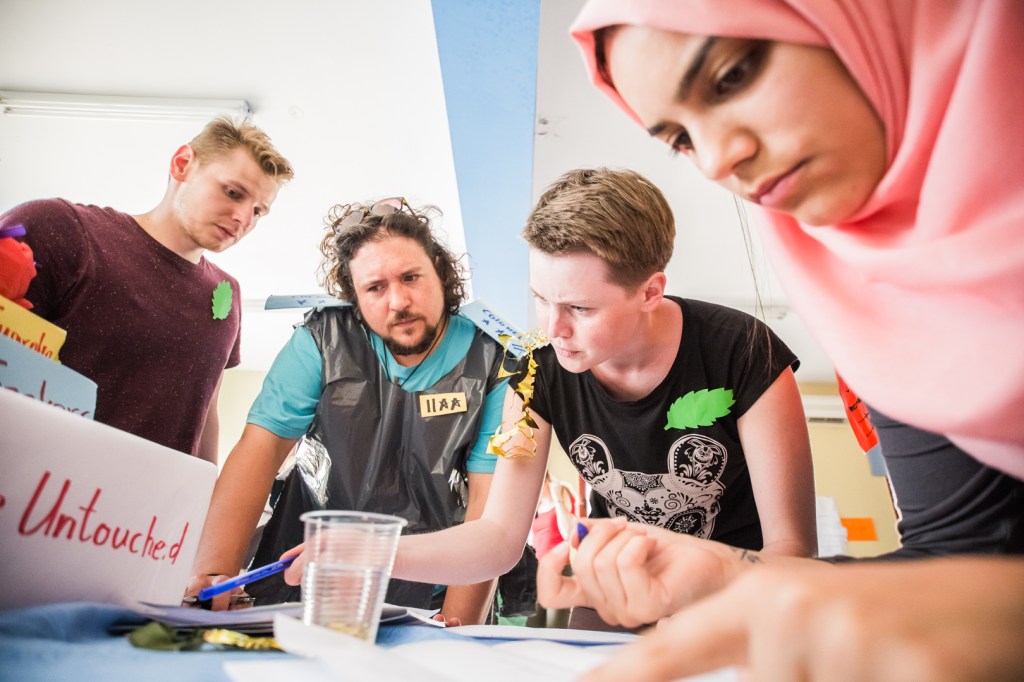
The project combined experiential learning, cultural exploration, and dialogue, creating a comprehensive and transformative experience for all participants.
Hebron
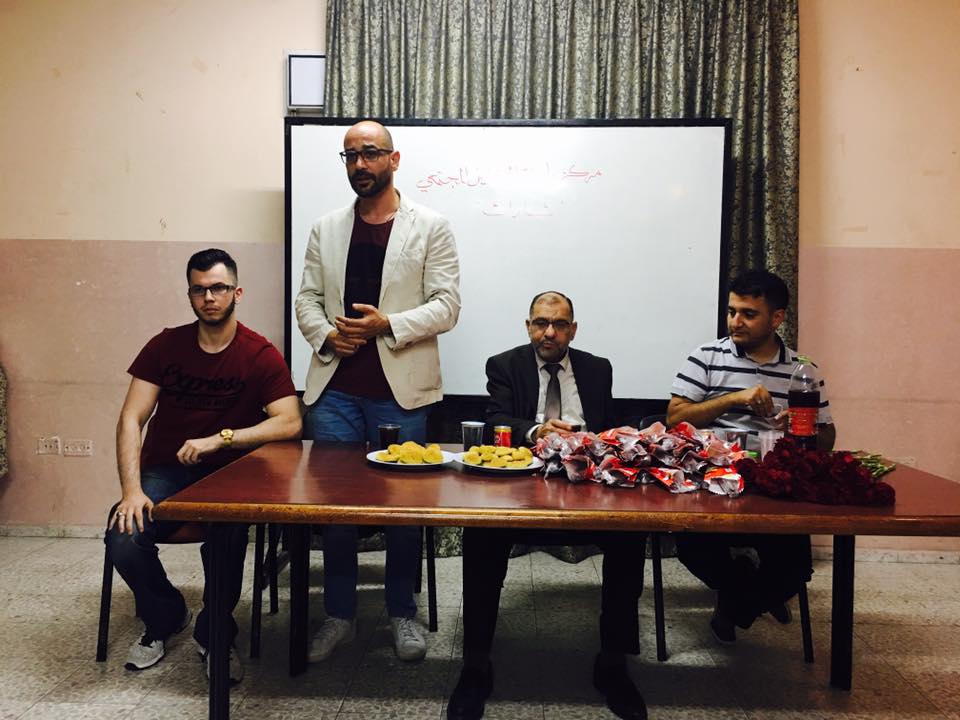
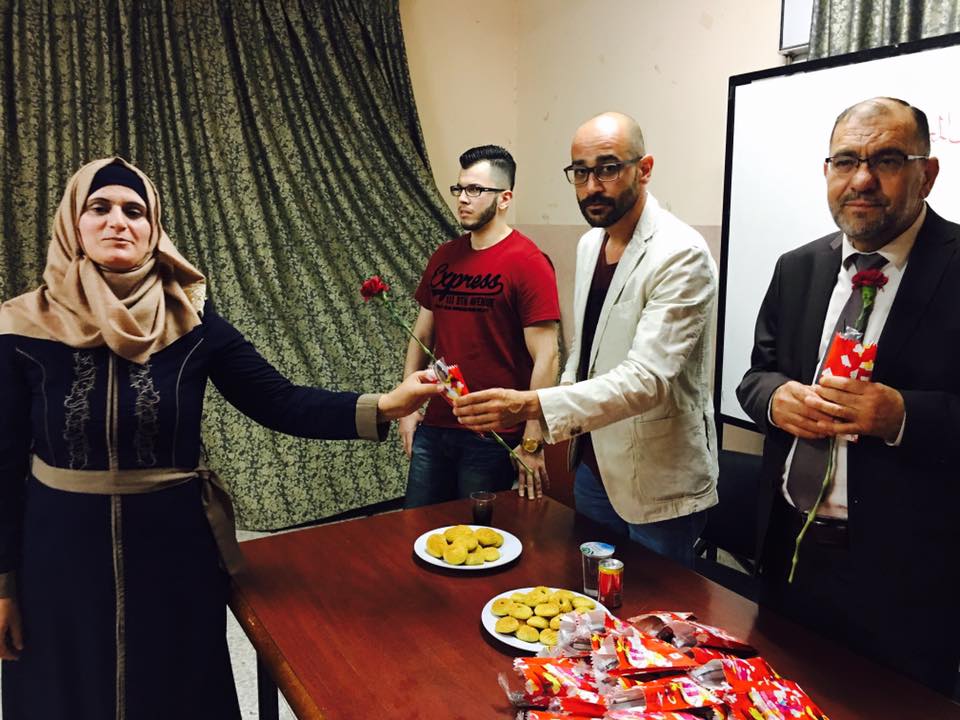
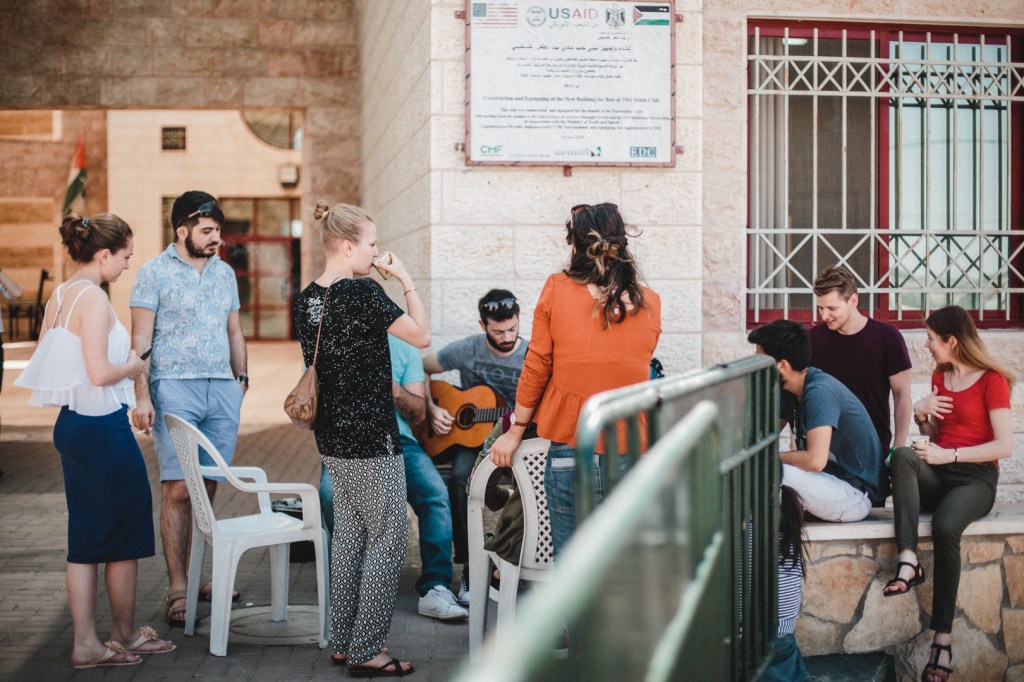
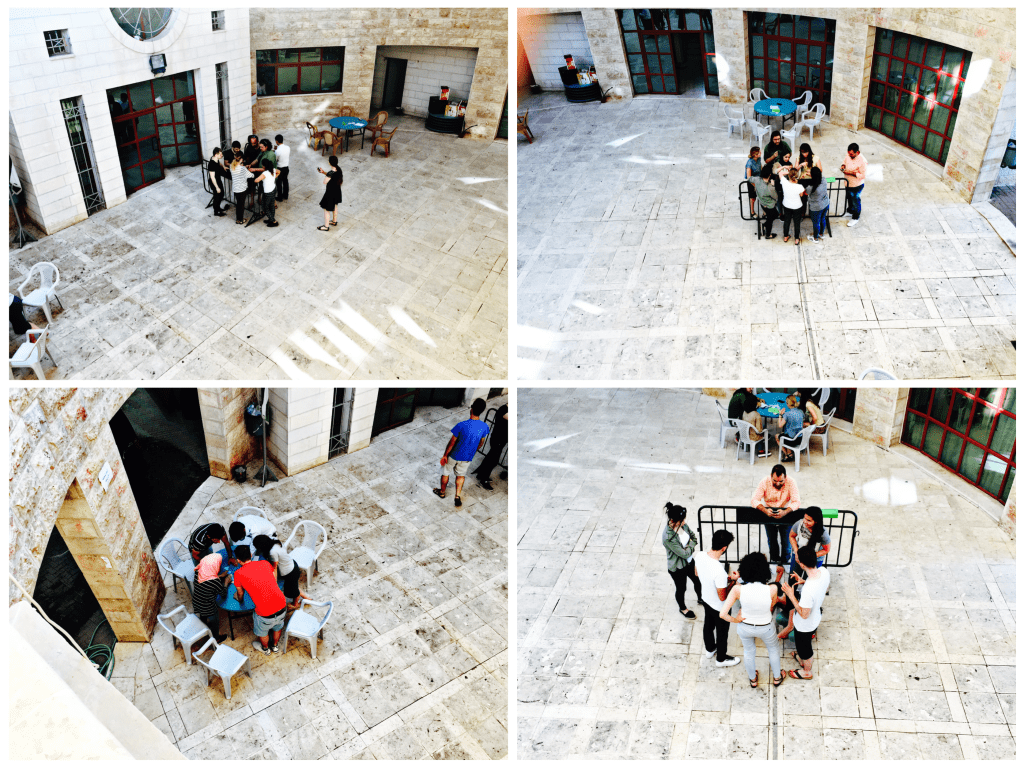
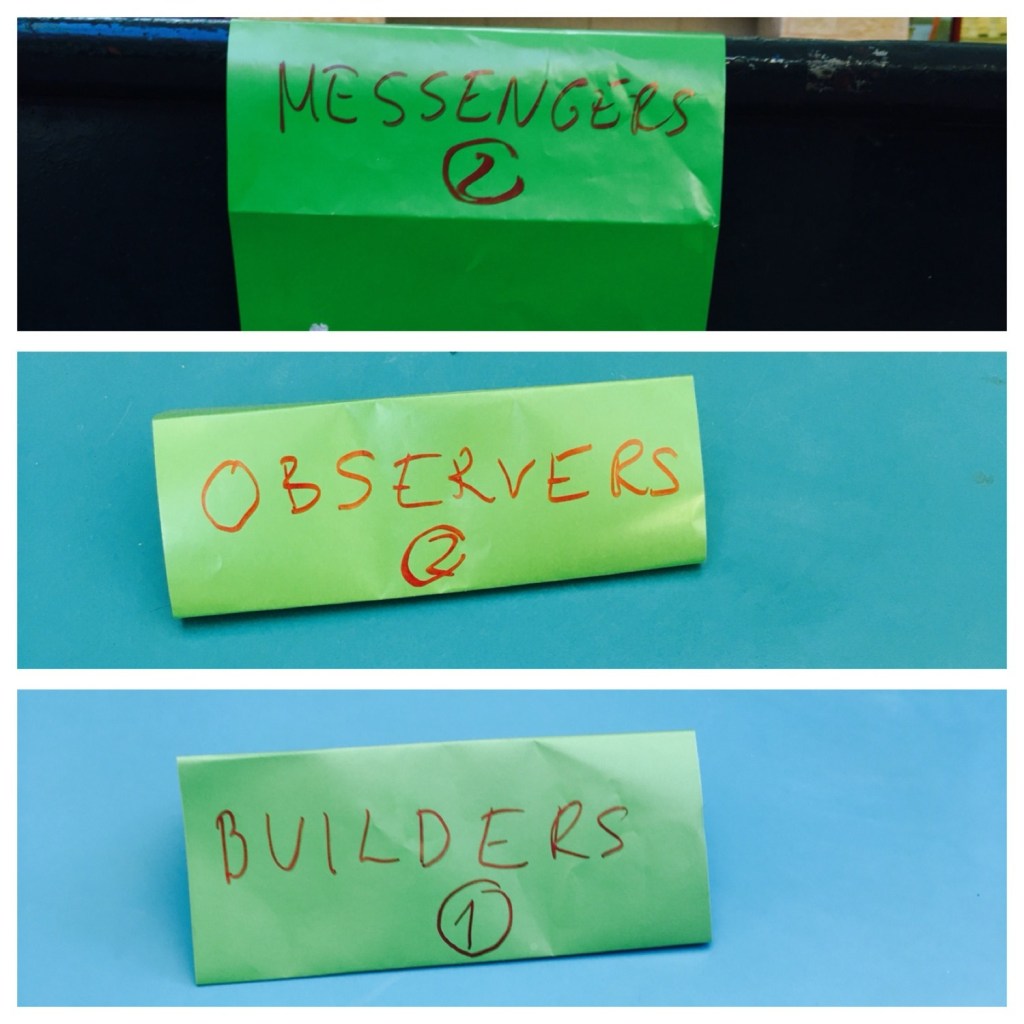
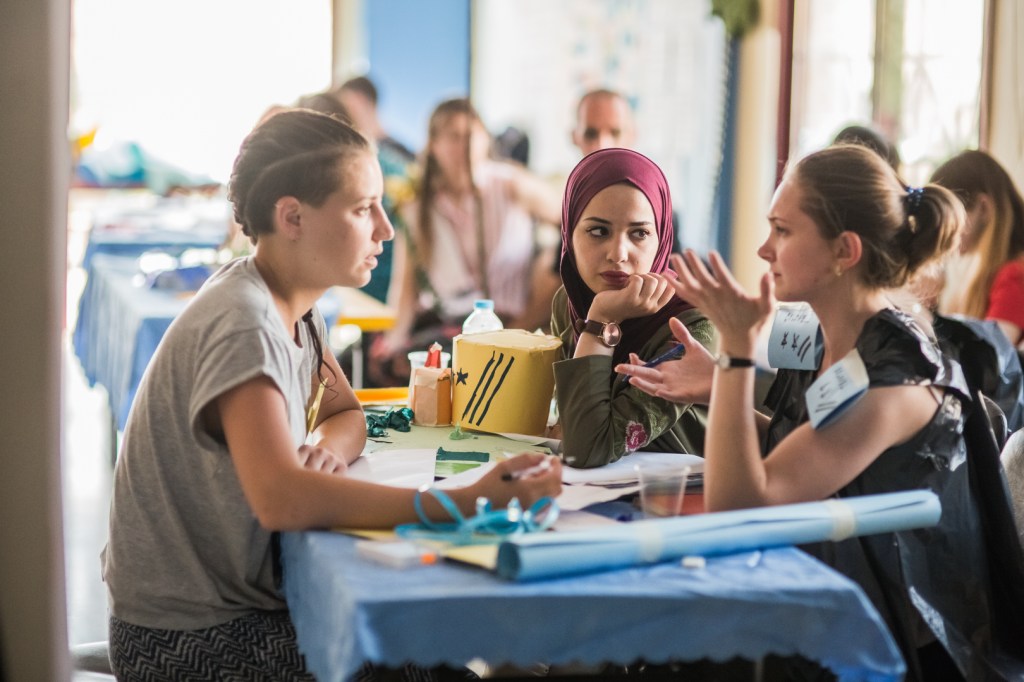
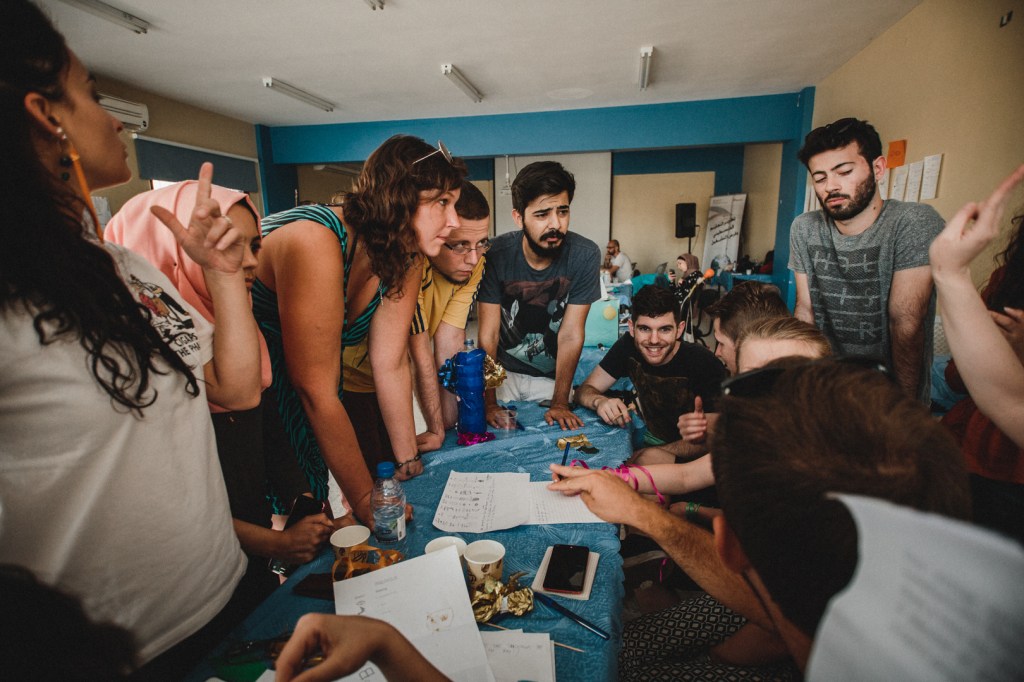
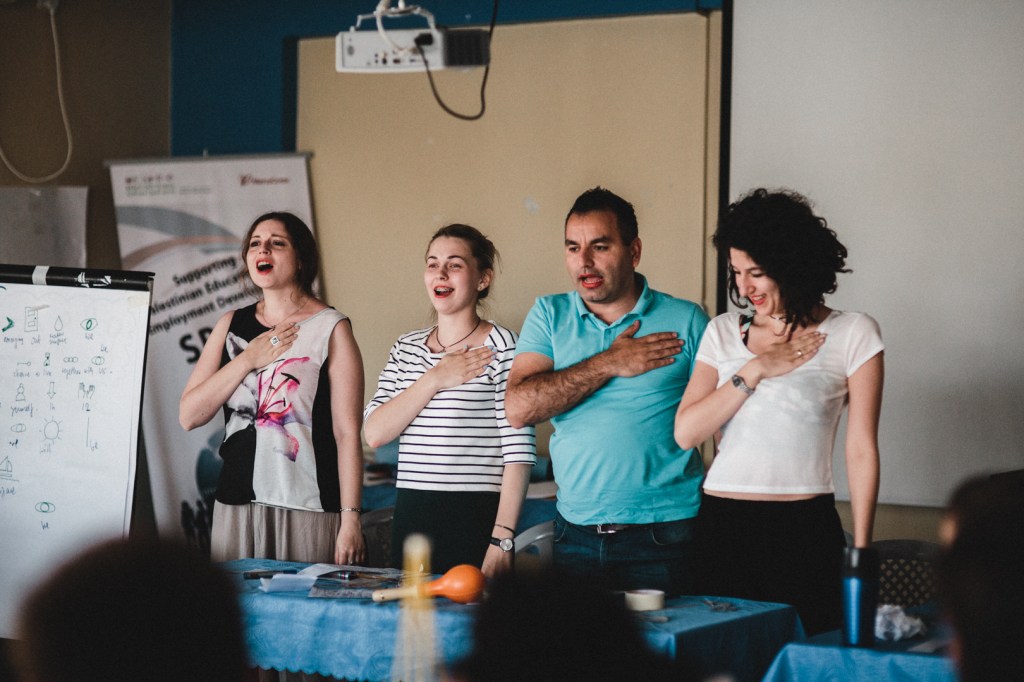
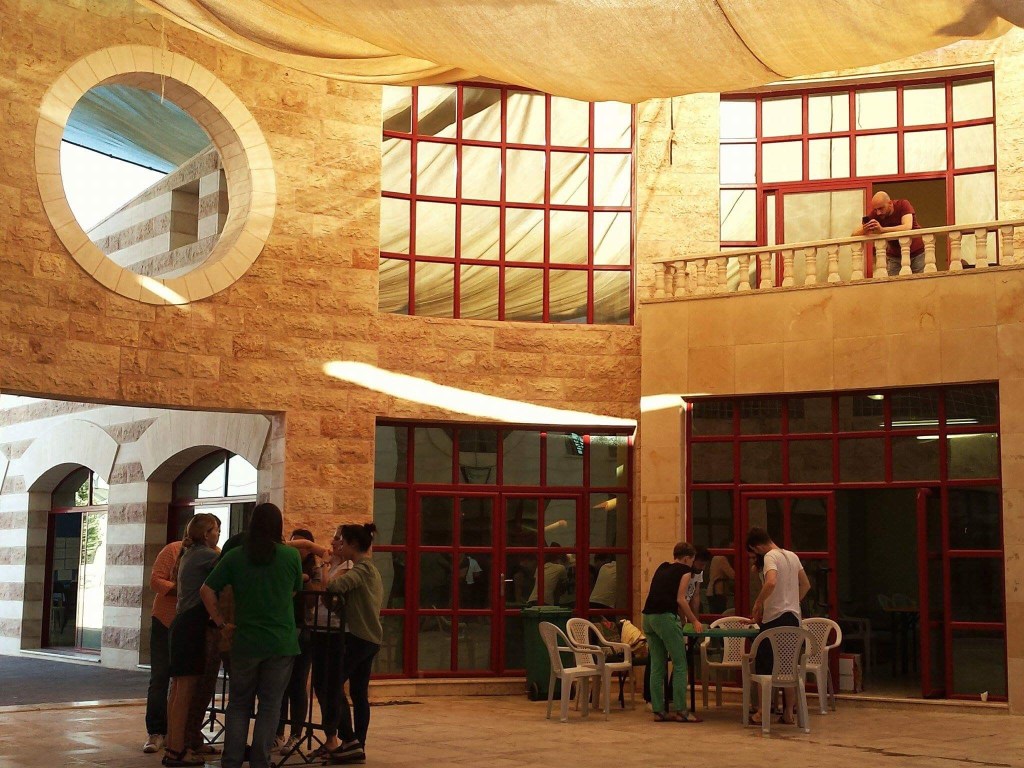
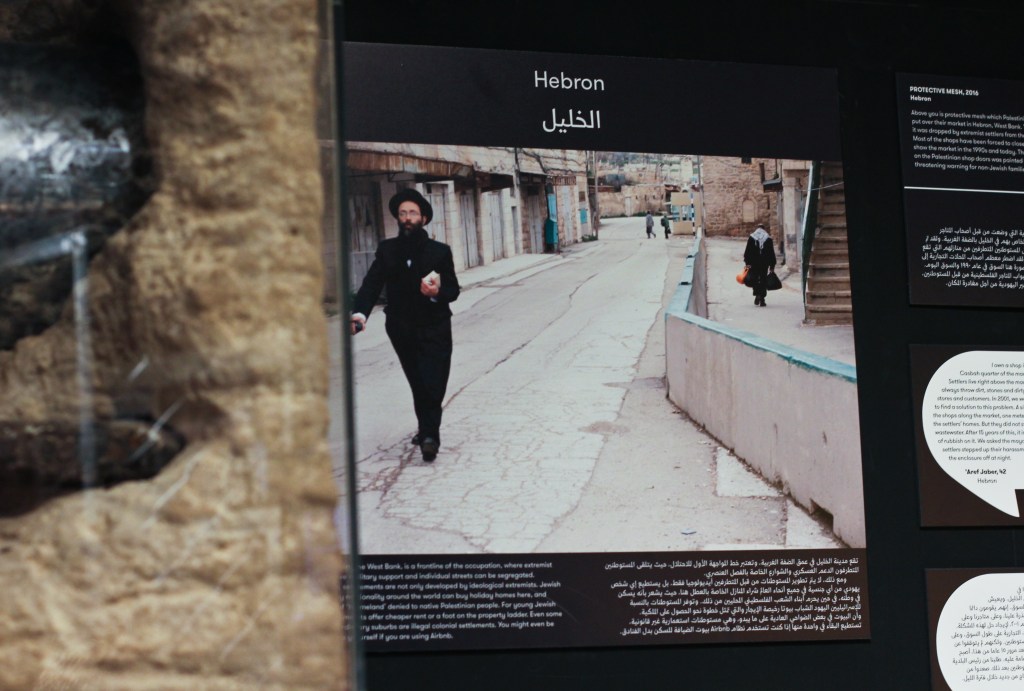
The journey began in Hebron, one of the oldest cities in the world, where participants conducted conflict resolution simulation games at the Youth Development Resource Center (YDRC). This center, located in the heart of Hebron, served as a space for critical discussions and workshops.
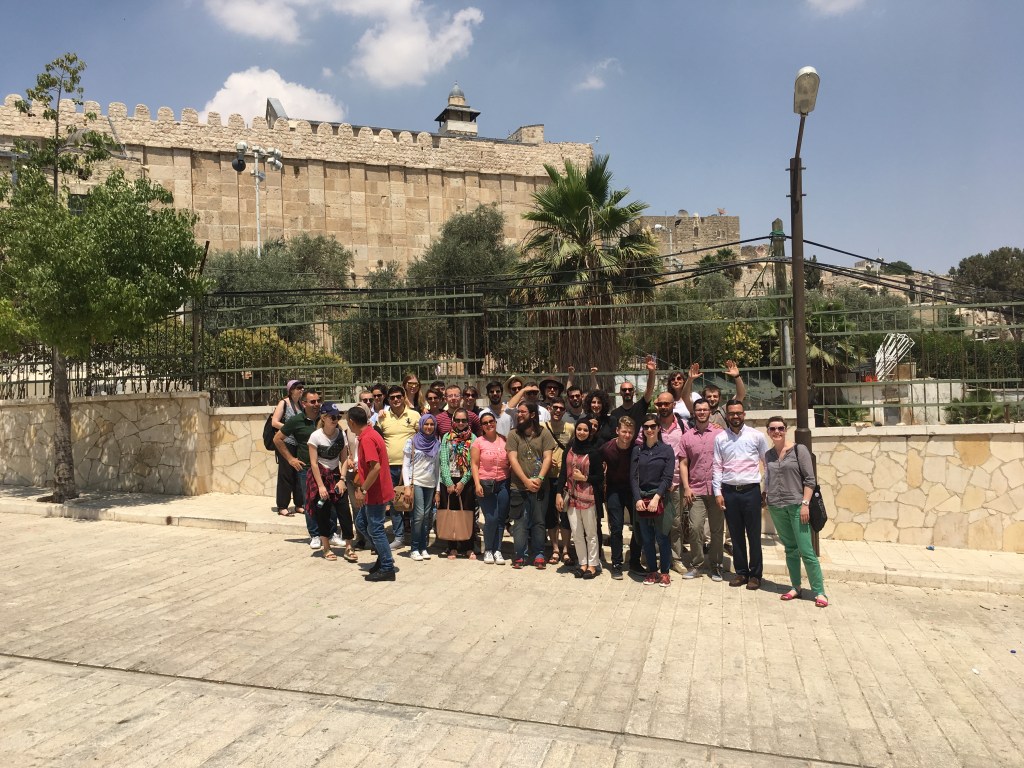
Participants also visited the Abraham Mosque, a site of profound historical and cultural significance. Witnessing the daily struggles of Palestinians in Hebron, where barriers and borders disrupt lives, deeply impacted everyone involved. The stark realities of occupation and resilience resonated with the group, underscoring the importance of addressing conflict at its roots.
Bethlehem
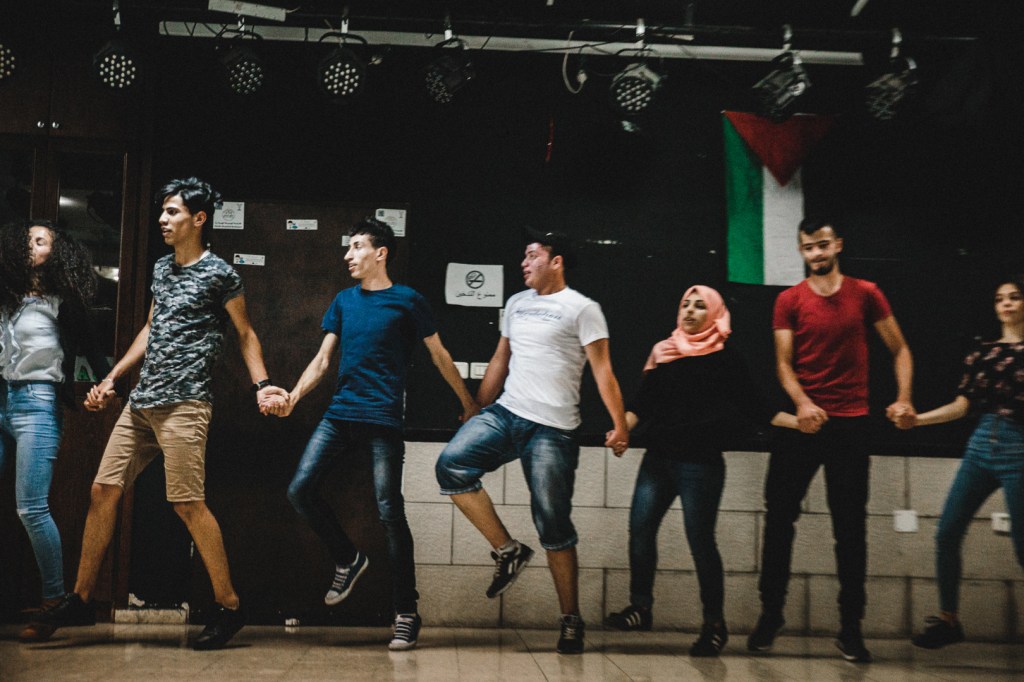
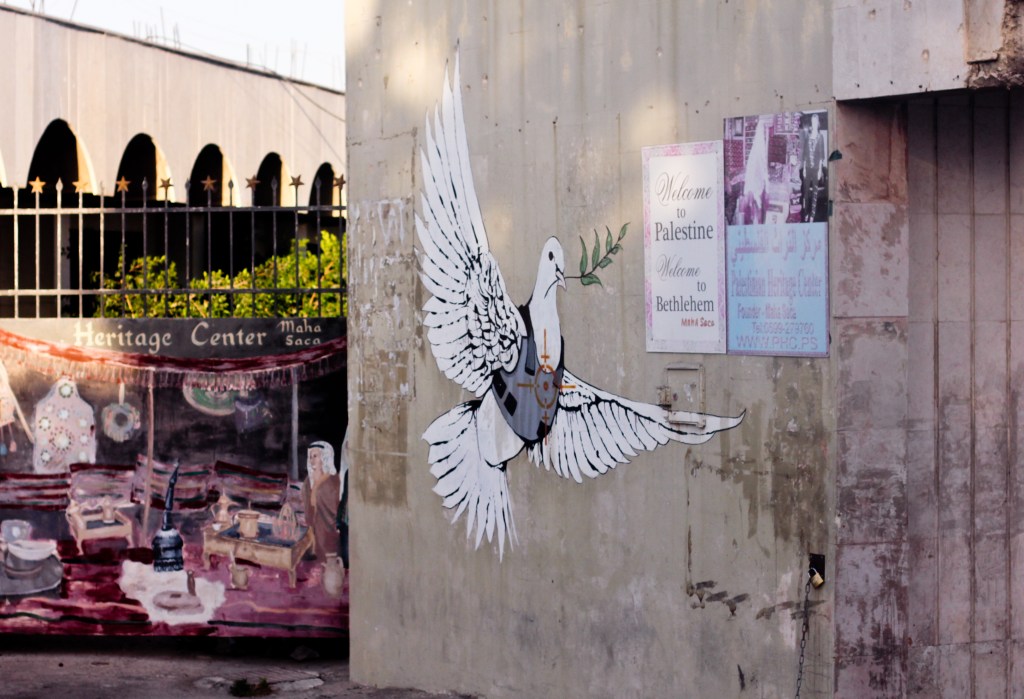
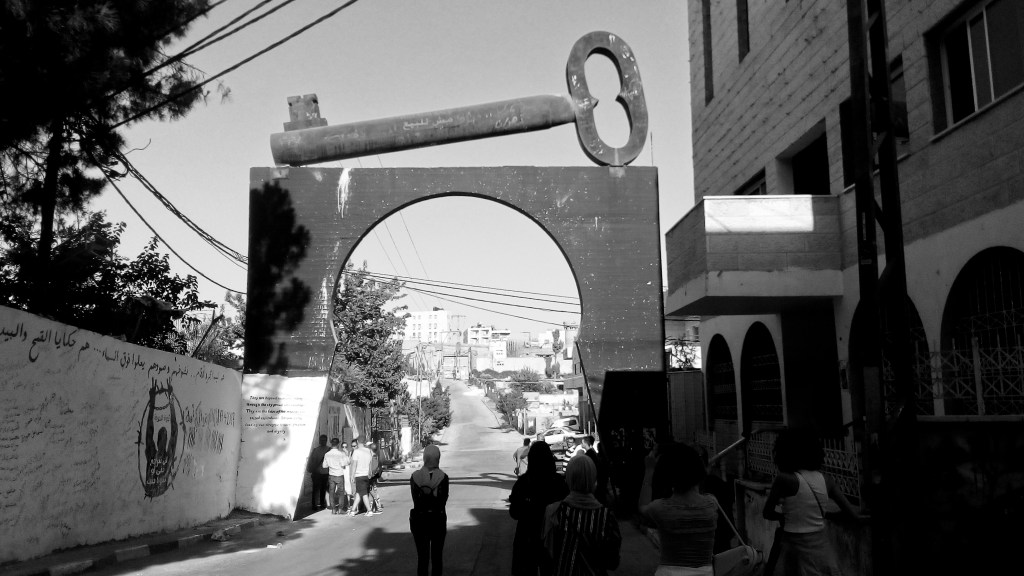
In Bethlehem, the group visited AIDA Camp, a Palestinian refugee camp where generations have lived under challenging circumstances. Here, participants engaged with young leaders and administrators of the camp, learning about their lived experiences and the resilience of their community. A highlight of this visit was a vibrant dance performance by the youth of the camp, showcasing their cultural pride and strength despite adversity.
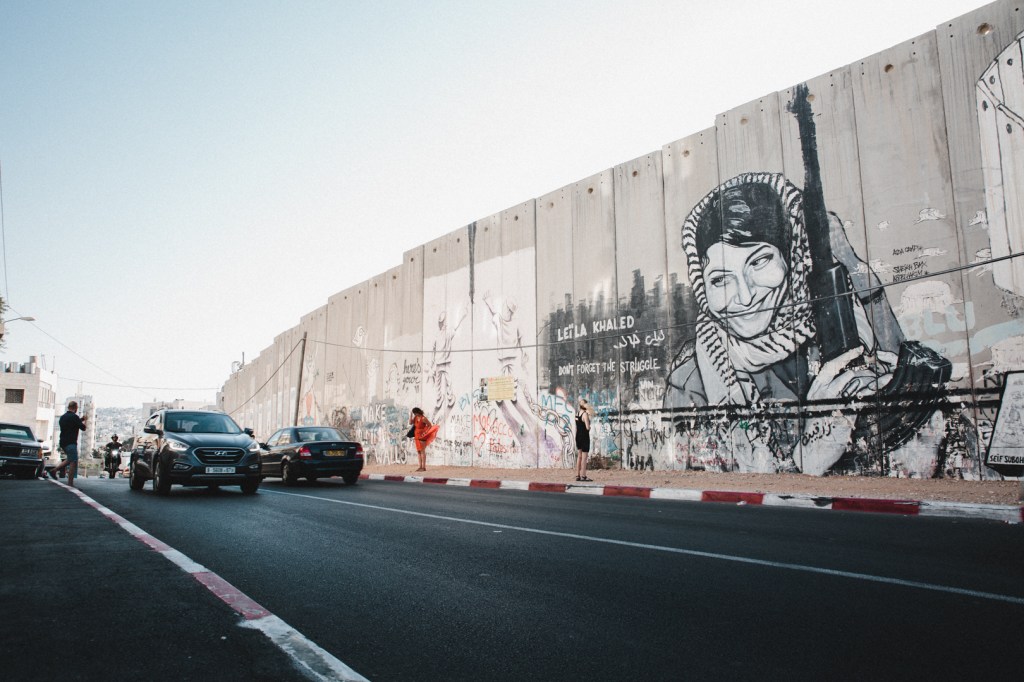
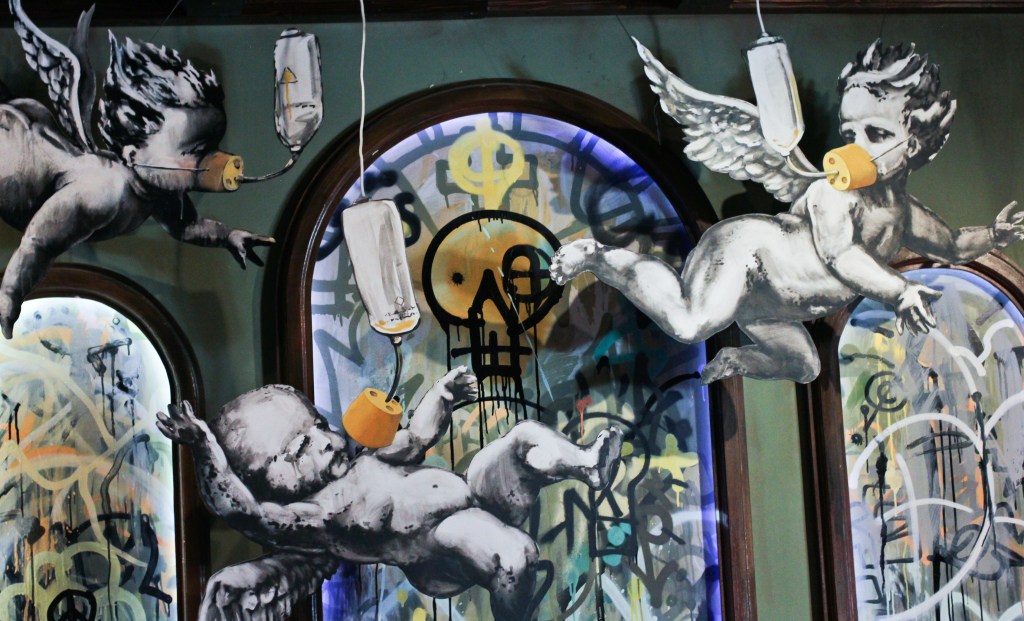
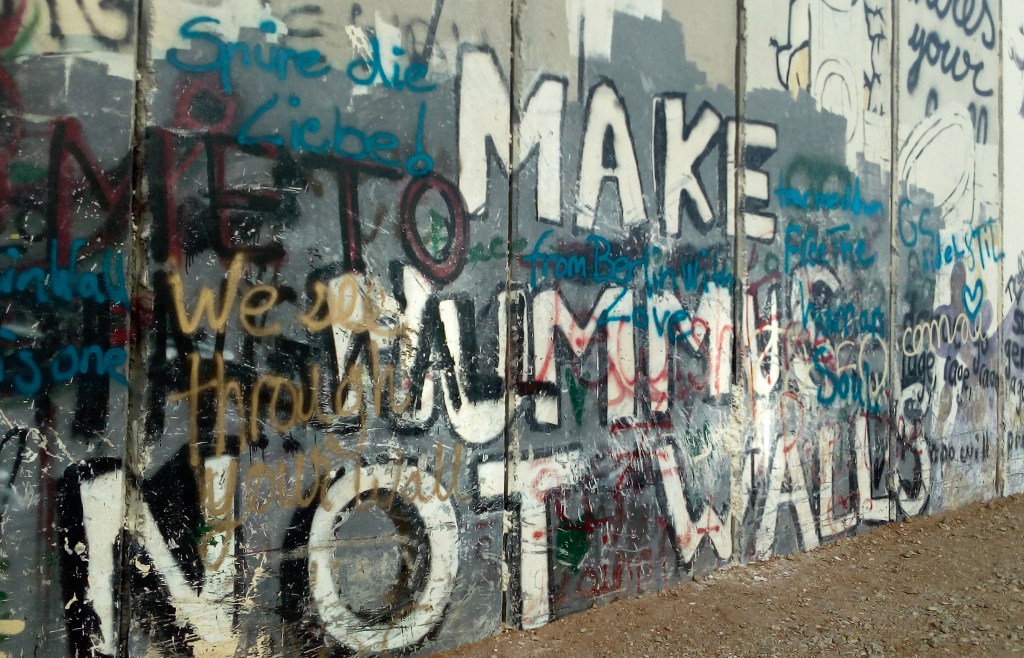
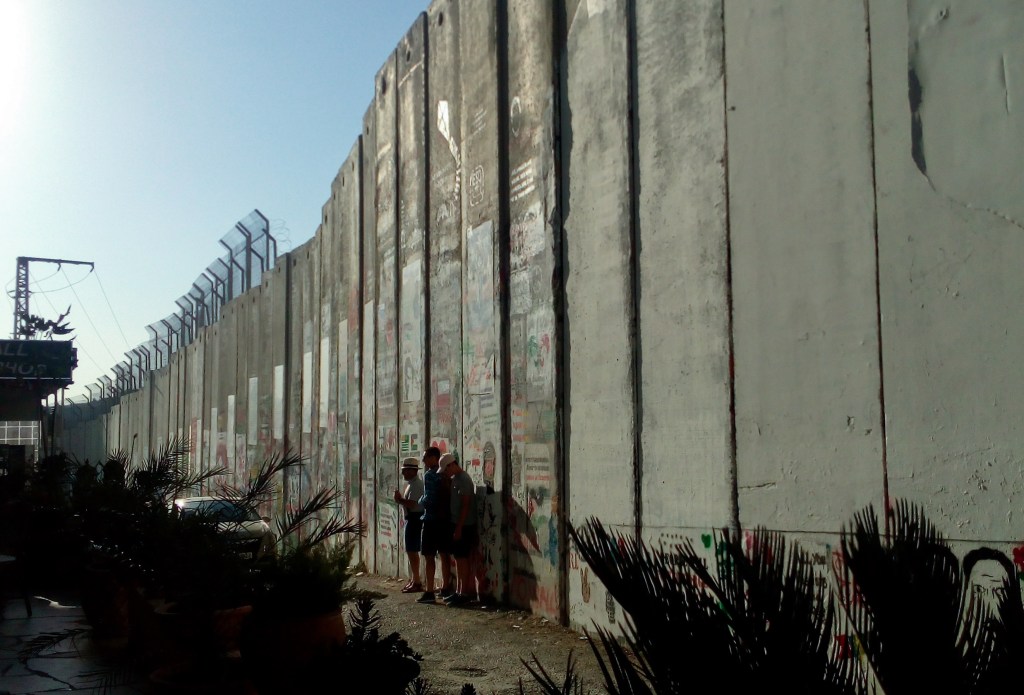
The group also visited The Walled Off Hotel, an artistic and provocative establishment created by the renowned artist Banksy to draw attention to the separation wall and its impact on the people of Bethlehem. Listening to the stories behind the hotel from its creators added a unique dimension to understanding the intersection of art, tourism, and activism in conflict zones.
The day ended with a visit to the Church of the Nativity, a sacred site that offered participants a moment of reflection and connection to Bethlehem’s rich history.
Jerusalem
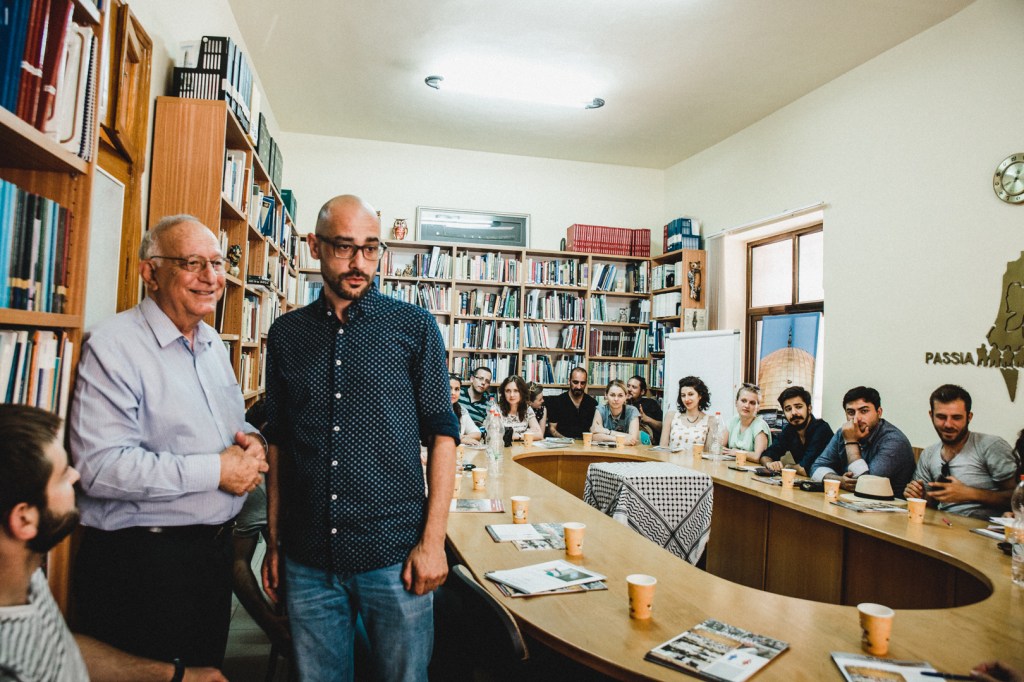
The final days of the project were spent in Jerusalem, a city that epitomizes the complexity of historical, political, and cultural conflict. Participants began their exploration at the PASSIA Foundation, where they engaged in a thought-provoking discussion with Dr. Mahdi Abdul Hadi, an expert on the Israeli-Palestinian conflict. His insights provided a deeper understanding of the region’s challenges and potential pathways to resolution.
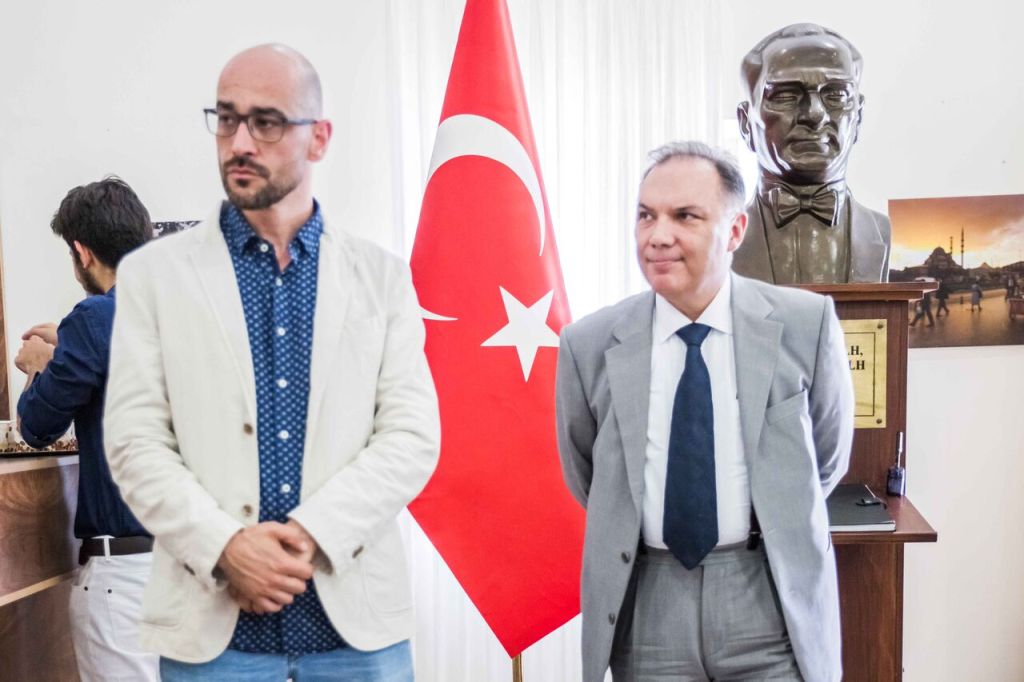
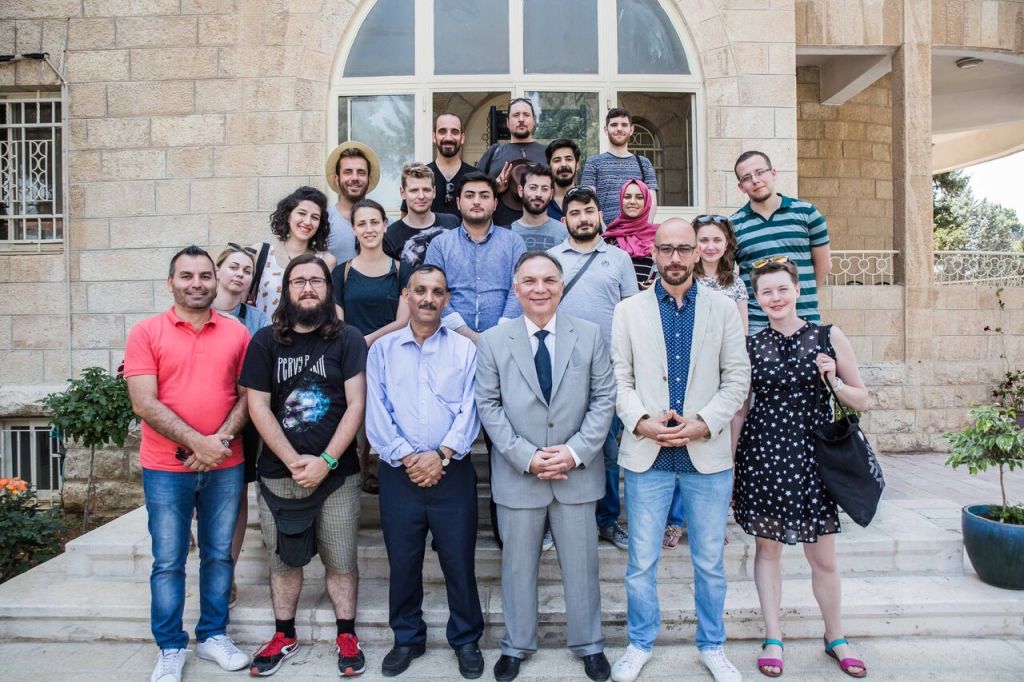
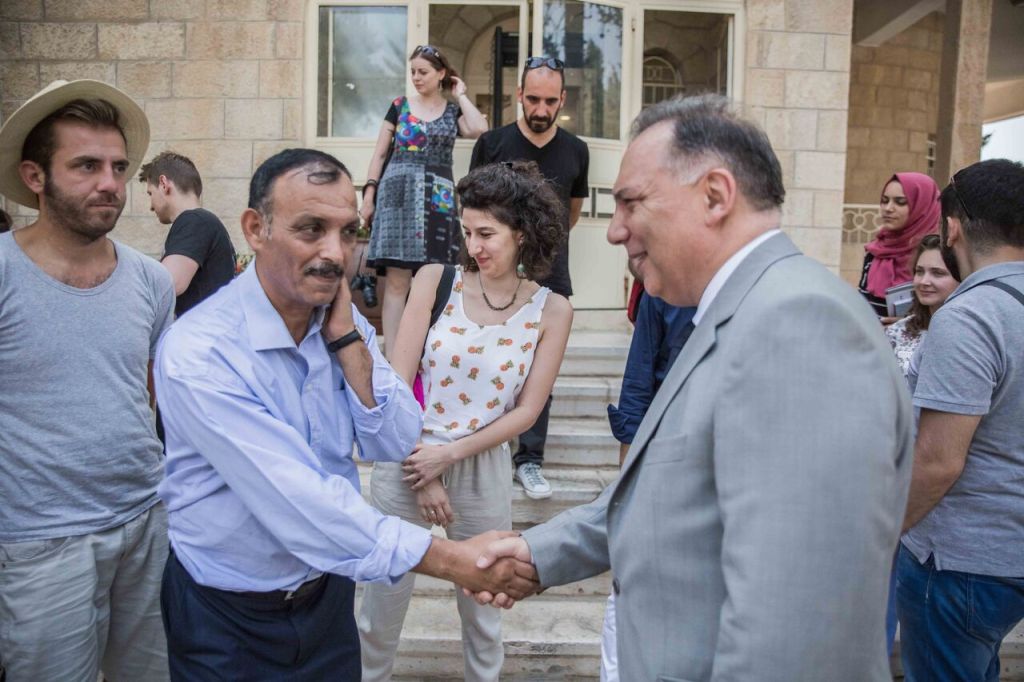
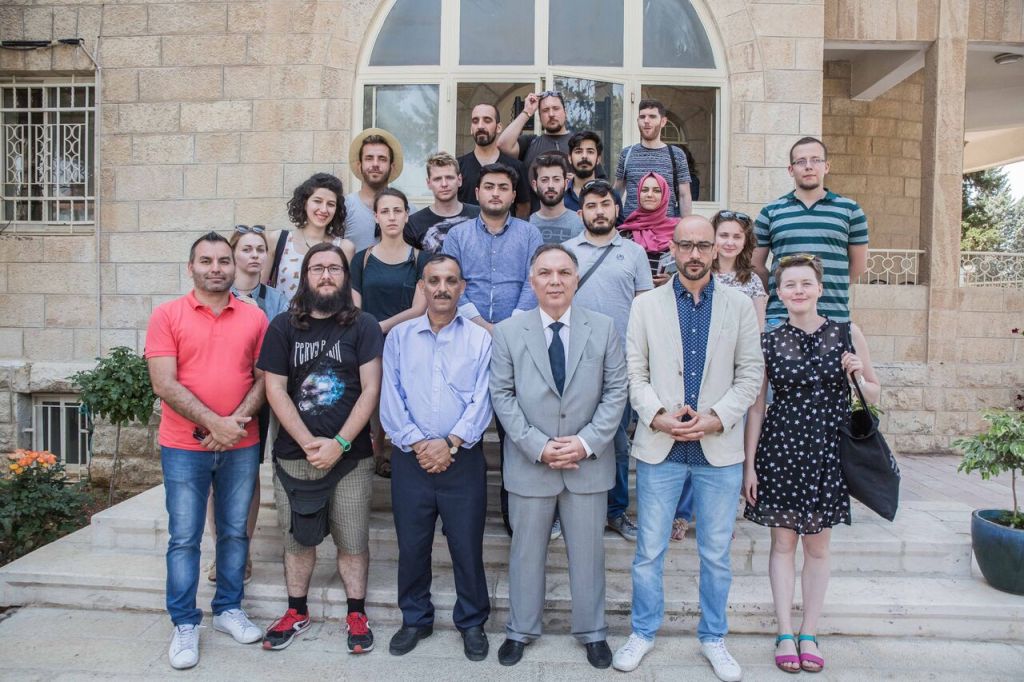
An official visit to the Turkish Embassy in Jerusalem followed, where Ambassador Hüsnü Gürcan Türkoğlu shared Turkey’s perspective on Middle Eastern conflicts and the country’s humanitarian efforts in Palestine. This meeting highlighted the role of diplomacy and international support in conflict resolution.
The group also explored the Old City of Jerusalem, a timeless and inspiring place where layers of history converge. Walking through its ancient streets allowed participants to feel the city’s unique spirit and reflect on its significance in the broader context of peacebuilding.
The program concluded with a free day, during which some participants took the opportunity to visit the Dead Sea, experiencing its natural wonder as a fitting end to a transformative journey.
A Call for Peace in a World at War
This project was not just about training youth workers; it was a declaration of commitment to peace in a world increasingly fractured by economic and geopolitical conflicts. The experiences in Palestine illuminated the devastating consequences of division while inspiring hope for change through dialogue, cultural exchange, and understanding.
YPIDA affirmed its role as a relentless advocate for global peace, vowing never to stop working towards a world free of conflict.
Acknowledgments
This initiative would not have been possible without the unwavering support of our partners and hosts:
- Youth Development Resource Center (YDRC) in Hebron
- ALROWWAD for Culture and Arts in Bethlehem
- PASSIA Foundation in Jerusalem
- The Turkish Embassy in Jerusalem
We also extend our heartfelt gratitude to the participants, whose dedication and engagement made this project truly exceptional.
Our Vision for the Future
The Training Course on Alternative Conflict Resolution in Palestine was not just a project; it was a milestone in our journey to foster peace and understanding worldwide. We firmly believe that, together, we can create a world where conflicts are resolved through dialogue and mutual respect, leaving a legacy of peace for generations to come.
Stay connected with APIDA e.V. and join us in our mission to build bridges and inspire change through meaningful initiatives.








 APIDA e.V. | Berlin