

From Idea to Impact: The PCM Framework
From Idea to Impact: The PCM Framework
Welcome to From Idea to Impact: The PCM Framework, where we transform project management into a creative journey of discovery, innovation, and success. At APIDA e.V., we believe that every great idea deserves the tools and strategies to become a meaningful impact—and that’s what this page is all about.

The Vision Behind the PCM Framework
What makes a good project great? It’s not just about ticking boxes or following a rigid process—it’s about adapting, innovating, and delivering results that matter. From Idea to Impact reimagines the Project Cycle Management (PCM) process as a flexible, empowering framework that can guide any project, big or small, from inception to meaningful outcomes.
The Journey: From Idea to Impact
Projects are more than plans; they are journeys. Here’s how we break it down:

- Idea: The spark of innovation—turning an abstract concept into a clear vision.
- Planning: Charting the path forward with precision, creativity, and purpose.
- Execution: Breathing life into the plan and making things happen.
- Monitoring: Staying on track, adapting to challenges, and measuring progress
- Impact: Reflecting on results, learning for the future, and celebrating success.
Each phase of the journey is a milestone, bringing you closer to transforming your ideas into lasting change.
What Sets This Framework Apart?
The PCM Framework goes beyond traditional project management approaches by focusing on:
- Flexibility: Adapting to different fields, scales, and challenges.
- Creativity: Encouraging innovation in problem-solving.
- Sustainability: Designing projects that leave a positive legacy.
- Empowerment: Providing practical tools that make the process approachable and engaging.
Inspiration in Action: Real Stories, Real Impact
Behind every impactful project is a story—a bold idea transformed into meaningful change. Here’s how the PCM framework has empowered others to create real impact:
Story 1:From Local Challenges to Global Change
- A small-town youth group wanted to address local environmental issues.
- Using PCM principles, they planned an international youth exchange project to share ideas and strategies for reducing plastic waste.
- Participants from five countries collaborated to design innovative recycling solutions, leading to the implementation of sustainable practices in their communities.

Story 2: Empowering Young Leaders Through Education
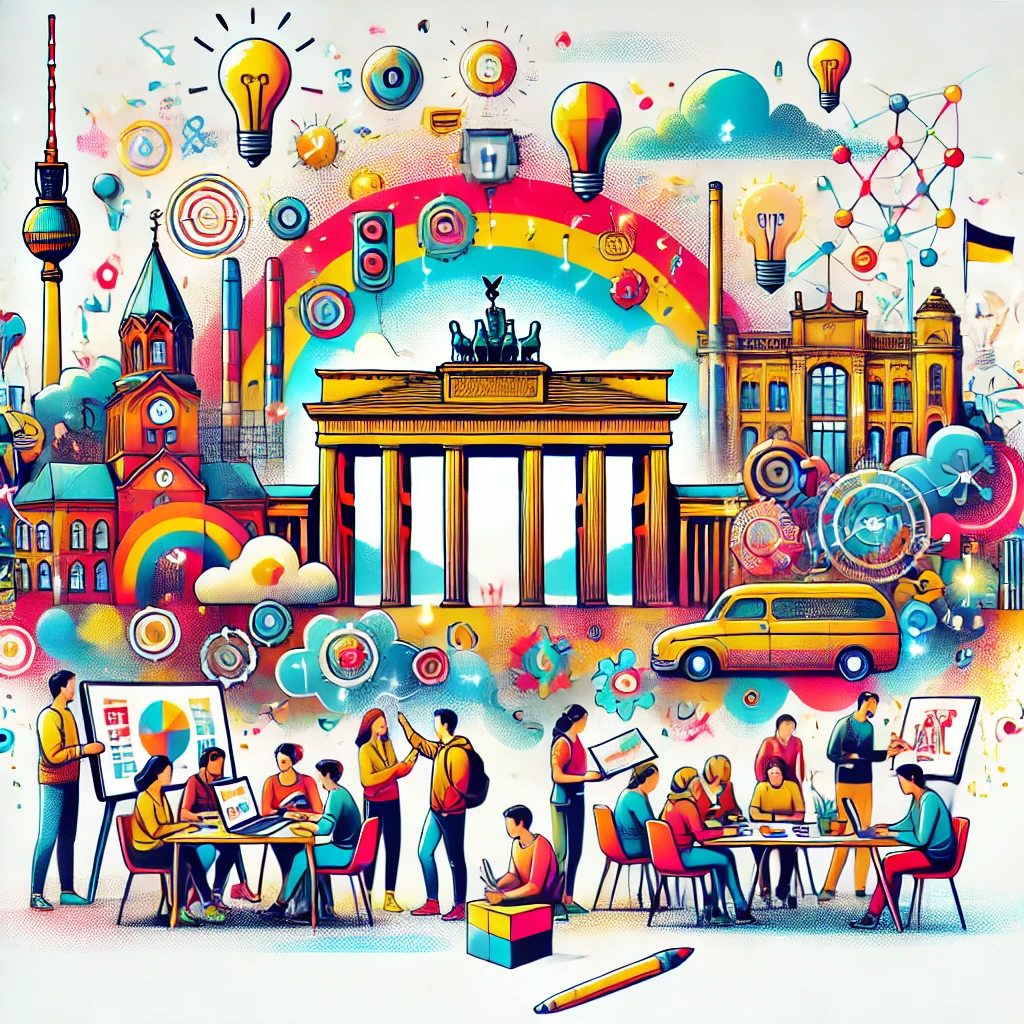
- A teacher in Berlin envisioned a program to boost students’ leadership and intercultural skills.
- They utilized PCM to create workshops combining Erasmus+ mobility programs with leadership training.
- Over 100 students developed new skills, formed international friendships, and became advocates for inclusion and dialogue in their communities.
Story 3: Building Resilience in Times of Crisis
- A community faced with natural disasters wanted to improve disaster preparedness.
- Using PCM, a local NGO developed training workshops and simulated disaster response scenarios involving youth and local authorities.
- The program built a network of trained volunteers and increased the community’s resilience.

Your PCM Toolkit: Tools to Transform Ideas
Turning ideas into impact requires the right tools, especially when combining PCM (Project Cycle Management) principles with the unparalleled opportunities offered by the Erasmus+ Program. Additionally, leveraging artificial intelligence tools, platforms, and resources can provide significant advantages at every stage of the project cycle. Here’s an enhanced guide to practical tools and tips for each step:
1.Initiation Tools: Turning Sparks into Ideas
Idea Canvas: A structured template for brainstorming and refining project ideas.
Stakeholder Mapping: Identify and prioritize key people and organizations critical to success.
AI Tips for Initiation:
ChatGPT: Generate creative ideas or refine your project’s mission and goals.
Miro: Use digital whiteboards for collaborative brainstorming.
MindMeister: Create mind maps to visualize connections between ideas.
Erasmus+ Tip: Explore past Erasmus+ projects on the official portal for inspiration and guidance.
2. Planning Tools: Charting the Path
Logical Framework Matrix (Logframe): Develop a roadmap for objectives, activities, and outcomes.
Risk Assessment Templat: Prepare for challenges with mitigation strategies.
AI Tips for Planning:
Notion: Organize workflows and project documentation.
Lucidchart: Design flowcharts and visual plans.
Delve AI: Conduct stakeholder analysis or competitor research for better planning.
Erasmus+ Tip: Check the Erasmus+ guidelines for project-specific requirements and funding eligibility during the planning phase.

3. Execution Tools: Bringing Plans to Life
Task Tracker: Break activities into actionable tasks with deadlines (e.g., Monday.com or ClickUp).
Collaboration Platforms: Tools like Trello, Asana, or Microsoft Teams to streamline teamwork.
AI Tips for Execution:
Jasper: Generate marketing or communication materials for your project.
Canva AI: Create visually appealing graphics and presentations.
Zapier: Automate repetitive tasks and integrate tools seamlessly.
Erasmus+ Tip: During execution, ensure alignment with Erasmus+ funding criteria and reporting guidelines.
4. Monitoring Tools: Staying on Track
Progress Dashboards: Use tools like Google Data Studio to track milestones and KPIs.
Feedback Forms: Gather insights from stakeholders and adapt as needed.
AI Tips for Monitoring:
Tableau: Create data visualizations to monitor progress.
Qualtrics: Design and distribute surveys to collect structured feedback.
AI Chatbots: Use chatbots to gather real-time feedback from participants.
Erasmus+ Tip:Keep an eye on Erasmus+ reporting requirements to ensure all data aligns with funding guidelines.
5. Closing Tools: Reflecting and Sharing Impact
Evaluation Framework: Measure impact and identify lessons learned.
Project Summary Template: Compile results and share them effectively.
AI Tips for Closing:
Otter.ai: Transcribe and summarize key project discussions.
Beautiful.ai: Create visually impactful final reports and presentations.
Tome: Build interactive project summaries for stakeholders.
Erasmus+ Tip: Submit a final report showcasing your project’s alignment with Erasmus+ objectives, including key outcomes and testimonials.
What’s Next? Turning Dreams into Reality
Your journey from idea to impact starts here. Erasmus+ has already shown you the extraordinary opportunities available to bring your vision to life. Whether you’re dreaming of starting an informal youth group, leading a local initiative, or creating a global impact, this is your moment to take action.
Here’s how you can move forward with your idea and how we can support you every step of the way:
Option 1: Share Your Idea with Us

- Use our e-Form to share your project idea.
- We’ll review your idea and, as an NGO, work with you to transform it into a full-fledged Erasmus+ project.
- Receive guidance on how to shape your concept, meet Erasmus+ requirements, and create a strong application.
Option 2: Join Our Weekly Workshop
- Participate in our online or offline workshops every Wednesday.
- Learn practical tools for turning your idea into an Erasmus+ project.
- Get tips on PCM, Erasmus+ guidelines, and how to write winning project proposals.
- Interact with experts and like-minded individuals in a collaborative setting.
Option 3: Personalized Mentorship

- For those ready to take the next step, we offer personalized mentorship sessions.
- Work 1-on-1 with our team to refine your project, build a partnership, and complete your Erasmus+ application.
Membership Information
Are you passionate about creating positive change and interested in joining a dynamic network of changemakers? Becoming a member of APIDA e.V. offers you the opportunity to actively participate in our projects, access exclusive workshops, and collaborate with a like-minded community.
How to Become a Member
To become a member, please complete our Membership Application Form through the provided link below. After submitting the form, we’ll guide you through the next steps to officially join our organization.
Membership Fee:
Being a member involves an annual membership fee to support our activities and initiatives. For more information about the membership fee, please contact us at info@apida.eu or reach out directly through the form.
 APIDA e.V. | Berlin